Electric bikes, also commonly known as electric bikes, are all the rage right now. Electric bikes are an ideal choice for cyclists who want a little help on hill climbs and for travelers looking for a low-cost, sweat-free mode of transportation. Lately I've seen curious passersby stop at the bike shop just to see these beauties. So how do electric bikes work?
How do electric bikes work?
First off, electric bikes use a rechargeable battery that powers a small electric motor to provide some "gear" when you need it. Some models have a pedal sensor that determines how much help you need based on the effort you use. Other types have a motorcycle-like throttle on the handlebar that lets you decide how much power to use.
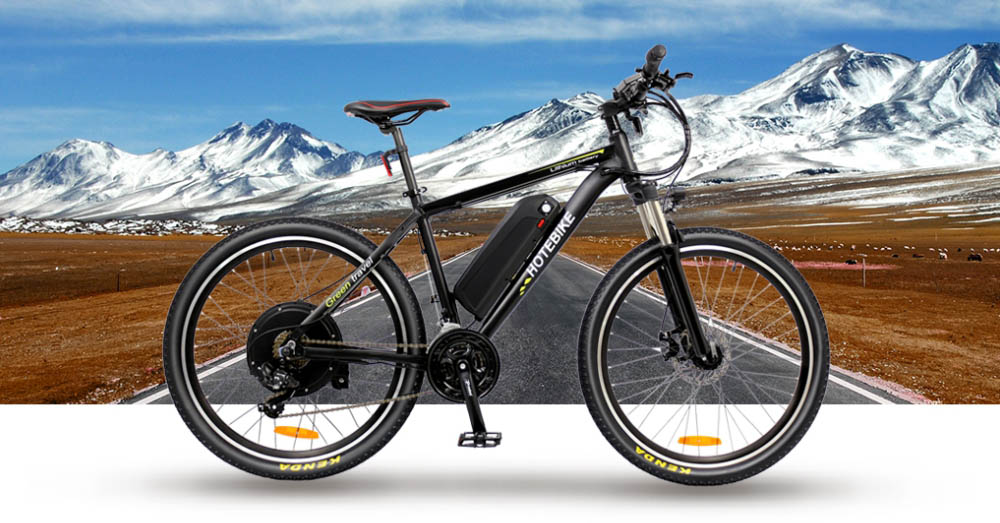
Since electric bikes are actually bikes, they are limited to a top speed of 15 mph with their engine running and an average power of 200W.
Here are some factors to consider when choosing your electric bike.
Electric bike weight
The motor, frame and battery are the heaviest parts of an electric bicycle. Cheaper electric bikes will tend to have heavier motors and batteries. This could be fine for smaller Chinese travelers weighing around 50-60kg but not as good for the average western adult of 70-90kg. After all, the heavier the electric bike, the harder it is to pedal without help.
Electric bicycle motors
The power of the motor will determine how fast the bike will go. Speed varies depending on the weight of the driver and the size of the wheel. The latter is a factor since the same motor connected to a 20 "wheel has to rotate faster when connected to a 24" wheel to achieve the same speed.
Electric cycle batteries
The battery supplies power to the electric motor. The average range for a fully charged battery is typically 12 to 30 miles with smooth pedaling, the actual distance varies depending on the weight and size of the driver and the terrain being driven. Smooth, dry pavement, for example, will give a much higher range than wet grass or loose dirt.

No comments:
Post a Comment