An electric bicycle is for all intents and purposes a normal everyday bicycle that has been equipped with an electric motor to assist in its propulsion. These motors are, limited by Federal Law, at 750 watts of power and 20 miles per hour of top speed.
Most electric bikes are built to meet that specification, but some do exceed them. Electric bikes can be built from kits for around $ 500 to $ 800, or you can buy new ones for between $ 400 to $ 3,500. As with any product and especially a vehicle, you generally get what you pay for. Electric bikes are powered by rechargeable batteries, and the average range is around 20 miles. The range can vary greatly depending on the weight of the bike and the rider, the size of the wheel, the riding style and the terrain. They come in a wide variety of styles and sizes, from small 16-inch and 20-inch folding wheels with electric bikes for travelers and apartment residents to 28-inch and 700c sizes. Electric bikes do not require licenses or insurance to operate, but many states have age limitations.
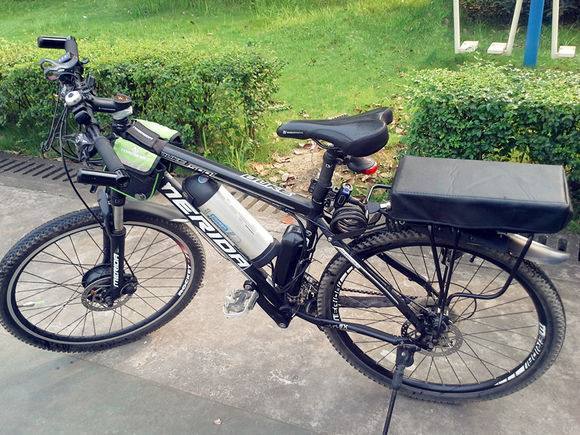
Batteries are also very important regarding these products. The most common battery-sealed lead acid (SLA) is the least expensive and provides the most amps per hour (ah). However, SLA batteries weigh three times more than a lithium battery and last less than a third. A LiFePO4 lithium battery is the most expensive battery and has low ah, but it is by far the lightest and longest lasting weight. You would need to purchase, install, and dispose of 12 12-volt SLA batteries before approaching the life of a 48-volt LiFePO4 battery. Nickel cadmium and other batteries fall somewhere in between. A lightweight lithium battery generally slides off the battery shelf for easy recharging indoors rather than having to locate an electrical outlet to plug the entire bike into. Lithium batteries are by far the most environmentally friendly of all available batteries.
Electric bikes built from kits are usually your best bet in terms of price and performance. Most of the bikes that people already own are superior machines to many of those that have been designed as electric bikes. By choosing your kit carefully, you'll get a more powerful engine, better battery life, and many other features you can't find on a factory-made bike, and your converted bike will often weigh less. A good kit should have the engine preconfigured on one wheel (a front wheel kit is much easier to install), dual-brake engine disconnect, a rotary or manual throttle, a motor controller, wiring harness, and a frame Battery mounting with a locking mechanism.

No comments:
Post a Comment